
"coffee farming strategies"
400 article(s) found

What are the characteristics of Cenicaf é 1, a new coffee variety cultivated in Colombia?
The selection of coffee varieties will affect the taste, growth conditions, roasting characteristics of coffee, etc., which makes the release of the new Colombian variety Cenicaf1 exciting. Agronomist Claudia Flores (Claudia Florez), PhD in plant breeding, works with the Colombian Coffee Growers Federation (FNC) and its research center Cenicaf. She well agreed to talk to me about the new

Nestle buys farmers at low prices
It is a new round of coffee purchasing season in Yunnan. In Pu 'er, the main producing area, the coffee farmers of Manxi Tea Farm Coffee Commune looked at the dried coffee fruits in the field and worried.
[Kenya Domenlugati AA TOP]--Wild red lips girl from Africa
Kenya AA in Cat Villa will always be unforgettable Kenya, just like the red lips girl in the memory of that winter night. We will never lack a very good Kenyan coffee, from the original Kenyan Jiaqiu Rosy AA TOP, Kenyan Chania French missionary AA TOP, Kenyan Cato Lily AA TOP, Kenyan Neri AB(sweet
Major Coffee producing areas in the World (1)
Coffee production zones (commonly known as coffee belts) range from 25 degrees north latitude to 30 degrees south latitude, covering many countries in Central, West Africa, the Middle East and South Asia, the Pacific, Latin America and the Caribbean. The reason why coffee cultivation is concentrated in this area is mainly due to the limitation of temperature. Because coffee trees are vulnerable to frost, neither north nor south latitude is suitable, especially in the tropics.

Where are the main producing areas of Brazilian coffee distributed? Brazilian coffee growing environmental conditions determine flavor quality
Professional coffee knowledge exchange More coffee bean information Please pay attention to coffee workshop (Weixin Official Accounts cafe_style) Front Street-Brazil coffee introduction Brazil is in the tropical region, the north is tropical rain forest climate, hot and humid all year round, suitable for tropical crops growth, coffee trees are sun-loving crops, sufficient sunlight for its growth conditions. Brazil was a Portugal colony for a long time. In order to satisfy

Coffee grows where coffee comes from Ethiopia.
Finally, I have an opportunity to witness the formation of coffee. The coffee comes from Ethiopian coffee after visiting MONTENEGRO National Coffee Park in QUINDIO Province, Colombia, and a garden coffee farm in MANIZALES, CALDAS Province. In Colombia, it was taken from the French Antilles by a priest in 1808.
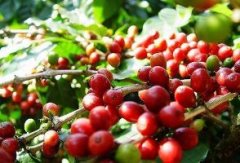
Witness the formation of coffee. Coffee basis.
Finally, I have an opportunity to witness the formation of coffee. This is after visiting MONTENEGRO National Coffee Park in QUINDIO province of Colombia and a garden coffee farm in MANIZALES city of Caldas province (CALDAS). Coffee comes from Ethiopian curry. In Colombia, it was appointed by a priest from the French Antilles in 1808.
Boutique Coffee on the growth process and Environment of Coffee
Finally, I have an opportunity to witness the formation of coffee. The coffee comes from Ethiopian coffee after visiting MONTENEGRO National Coffee Park in QUINDIO Province, Colombia, and a garden coffee farm in MANIZALES, CALDAS Province. In Colombia, it was taken from the French Antilles by a priest in 1808.

Zero contact with coffee coffee comes from Ethiopian caffeine.
Finally, I have an opportunity to witness the formation of coffee. This is after visiting MONTENEGRO National Coffee Park in QUINDIO province of Colombia and a garden coffee farm in MANIZALES city of Caldas province (CALDAS). Coffee comes from Ethiopian curry. In Colombia, it was appointed by a priest from the French Antilles in 1808.

The growth process of coffee beans in the place where coffee grows
Finally, I have an opportunity to witness the formation of coffee. The coffee comes from Ethiopian coffee after visiting MONTENEGRO National Coffee Park in QUINDIO Province, Colombia, and a garden coffee farm in MANIZALES, CALDAS Province. In Colombia, it was taken from the French Antilles by a priest in 1808.

Create the best Pu'er coffee beans in the world
Pu'er tea, Pu'er coffee and Dendrobium candidum are not only the brand industry of Pu'er, but also the content of the development of Pu'er green economy.
Hainan: the first rural coffee station in Wanning opens
The reporter learned from the Wanning Municipal Government of Hainan Province on the 21st that the Sheep Lane Coffee Post Station, located at the foot of the Dongshan Ridge of the "first Mountain in Hainan", was opened. This is the first rural coffee post station in Wanning City led by the party branch of Yongfan Village Committee of Wancheng Town, and where villagers take shares in the form of land, in-kind, labor investment, and so on.

How about Honduran coffee development under the impact of the epidemic? 2020 Honduran coffee quality assessment
Honduras is a small Central American country with many problems. The World Bank estimates that 20% of Hondurans in rural areas earn less than $1.90 per day. Across the country, roads are not optimal; many coffee farms in Honduras are accessible only by dirt roads winding along mountainsides. Despite these factors, Honduran entrepreneurs specialty coffee producers are still struggling

Coffee experts teach you to realize your dream of opening a coffee shop, you can't help but understand the law of "June 31" fund allocation.
Exchange of professional baristas Please follow the coffee workshop (Wechat official account cafe_style) S.H. Coffee Lab founder and coffee roaster Sam started from coffee shop staff to become shop owner, shop opening consultant, and experienced the ups and downs of his career. While talking freely about the joys and sorrows of opening a shop, he also encourages those who are interested in starting a business. Apart from strategy and calculation, the most important thing is to use your heart.
There are four types of coffee trees.
Coffee comes from Ethiopian curry. In Colombia, it was brought by a priest from the French Antilles via Venezuela in 1808. At present, Colombia is the fourth largest coffee producer in the world, behind Brazil, Vietnam and Indonesia.
Development Strategy of Coffee Industry in Yunnan
First, the course of coffee industry in Yunnan (1) A brief history of the introduction of coffee in Yunnan is the product of foreign missionary work. After Burma became a British colony, British missionaries went to the Kachin region of Myanmar to preach, and the missionaries grew coffee for their own use. Then the Jingpo people in this area gradually began to grow coffee. As the Jingpo people live across borders, with the exchange of visiting relatives and friends, intermarriage and exchange, coffee comes in.
Zero-distance contact with coffee
Finally, I have an opportunity to witness the formation of coffee. This is after visiting MONTENEGRO National Coffee Park in QUINDIO province of Colombia and a garden coffee farm in MANIZALES city of Caldas province (CALDAS).

Introduction to the cultivation of Organic Coffee in Peru, the Pioneer of Organic Coffee
Professional coffee knowledge exchange more coffee bean information please follow the coffee workshop (Wechat official account cafe_style) Peru is located in western South America, bordering the South Pacific, between Chile and Ecuador. Peru has a very diverse climate, from the tropics in the east to the dry deserts in the west, and from the temperate zone to the cold of the Andes. Different climates are tight with the main geographical areas of Peru
Coffee zero distance
Coffee comes from Ethiopian curry. In Colombia, it was brought by a priest from the French Antilles via Venezuela in 1808. At present, Colombia is the fourth largest coffee producer in the world, behind Brazil, Vietnam and Indonesia. End

How to drink Tarazhu Coffee in Pastola Village, Costa Rica _ Coopetarrazu Tarazu Cooperation
Professional Coffee knowledge Exchange for more information about coffee beans, please follow the coffee workshop (Wechat official account cafe_style) Coopetarrazu in the Los Santos de Tarrazu region, Costa Rican coffee producers joined COOPETARRAZU. The cooperative was founded by 228 smallholder farmers in 1960. They gathered together to face the challenges of coffee production, and for Goss.